

#20 Why You Need to Disappear to Find Direction
Four days that changed everything

Welcome to issue 20. This time, I’m sharing two lessons that quietly changed the way I think about building a creative business. One came during four days alone in the Dolomites, an experience that brought more clarity than I’d felt in years. The other is a bold take on audience building that might just flip your thinking on followers versus subscribers.
Both revolve around the same maddening truth: we spend most of our time urgently avoiding the work that actually matters. Shall we?
Lessons from the Dolomites
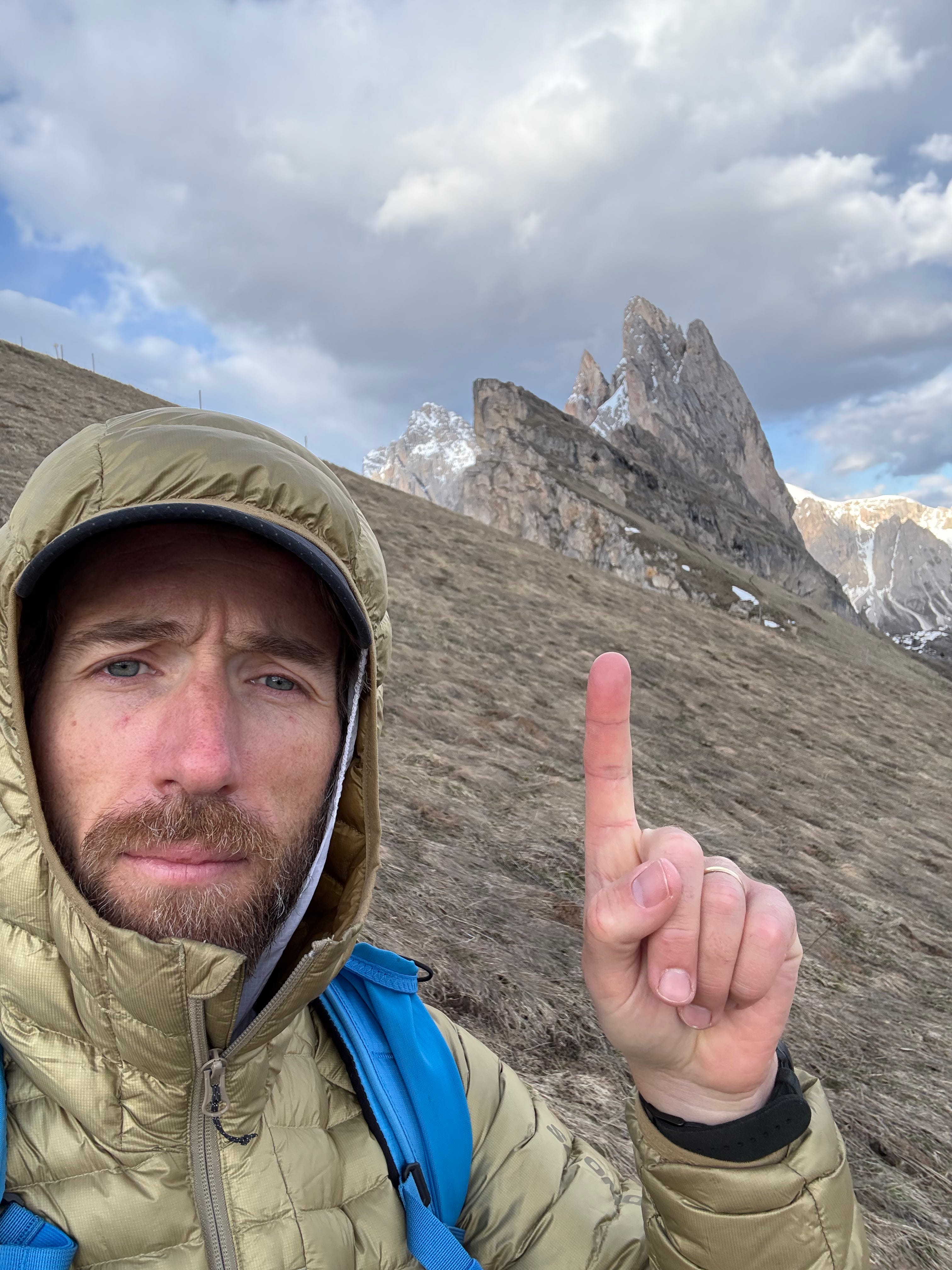
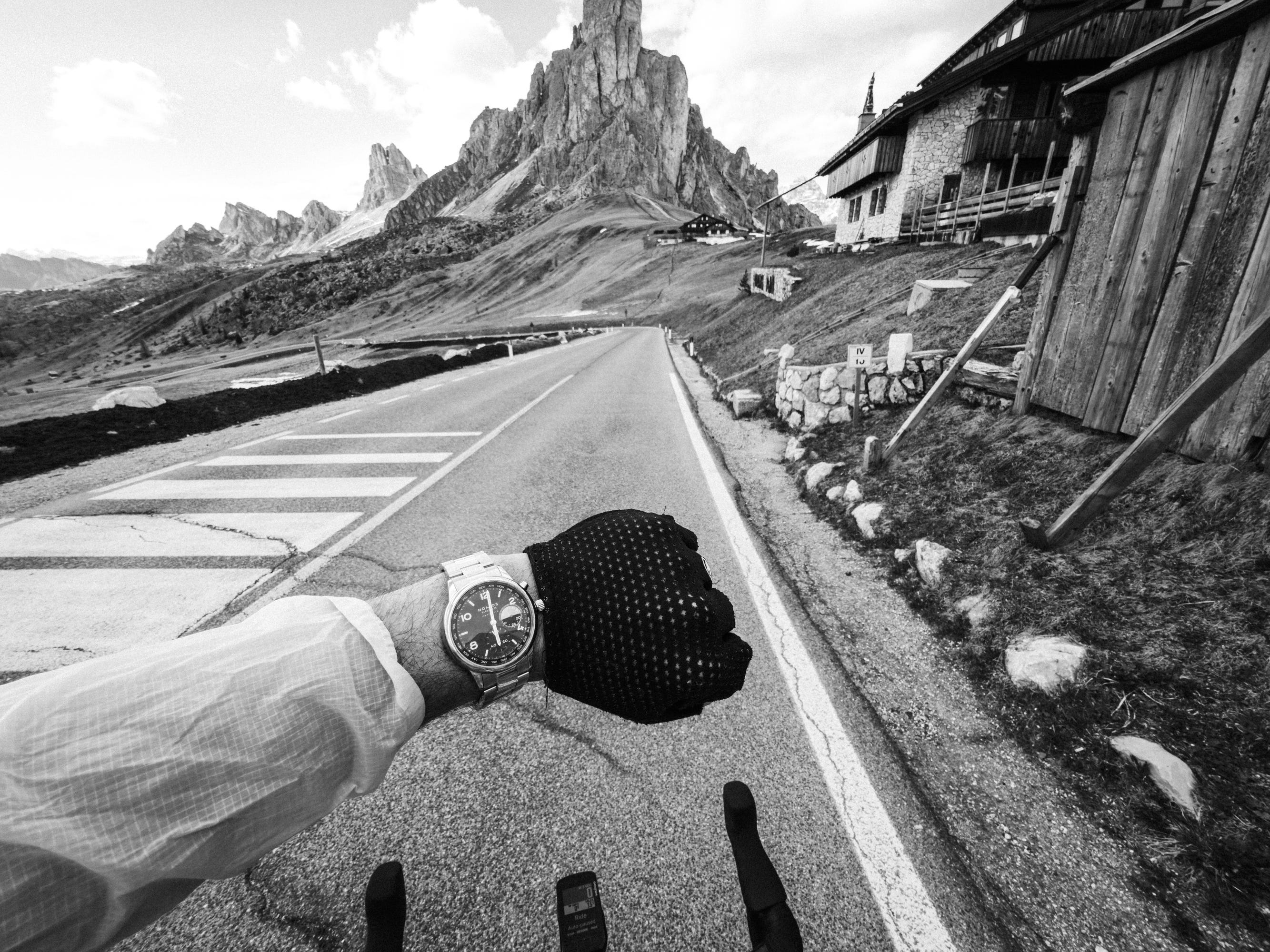
I’ve just returned from three weeks of traveling through Europe for various assignments, a series of films for CNN in Turkey, and a campaign for NOMOS Glashütte in the Dolomites.
I’m afraid to admit that it all felt very business as usual — nice, but familiar. After completing more than 150 assignments, it all starts to feel quite normal. You go somewhere incredible, meet a crew of usually very nice people, shoot, celebrate the fact that once again, we got away with it, and go back home. Of course, I wouldn’t trade any of it, but every once in a while, it’s important to challenge yourself to do something that feels new to you.
Four Days That Changed Everything
For years I’ve wanted to take time off, head to a hut in the mountains with no internet, and do deep work. It started as an ambitious dream of spending 6 months in Scandinavia. But then it became unrealistic with work and family. Then it was 1 month in the Alps, but as soon as I penciled that into my calendar, both CNN and NOMOS came knocking, asking me if I was available that exact month I had carved out for my retreat… As any sensible freelancer would do, I said “I’d move some things around and make time for them.” So my retreat was once again postponed.
Except it wasn’t. With the encouragement of my lovely wife Andrea, I was able to carve out four days in the Dolomites by myself, free from any obligation, to finally have that much-needed thinking time.
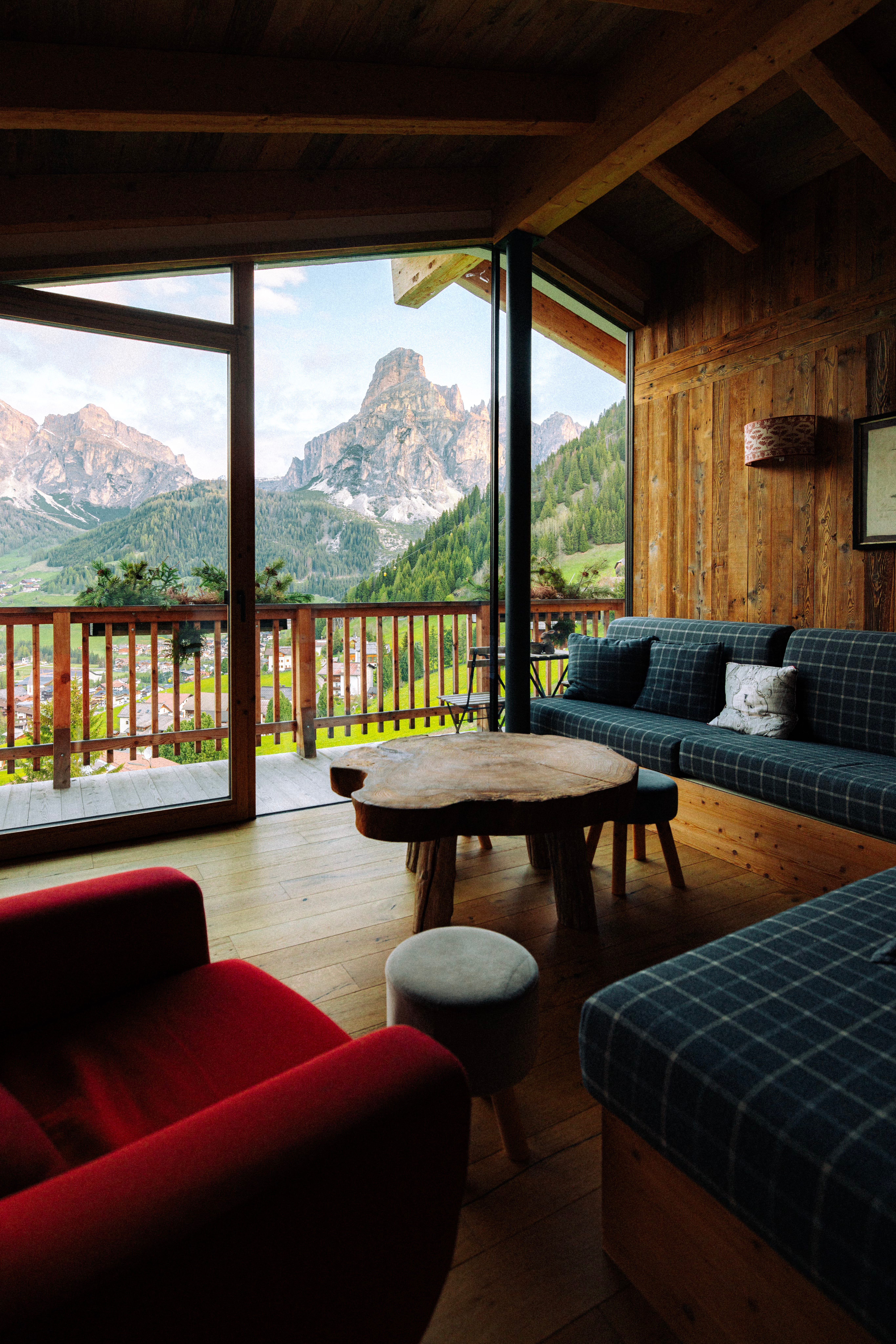
Making coffee at Chalet Liosa - the rhytmn of my days.
It was incredibly transformative. You really need three days at a minimum, because you spend the first two trying to disconnect from the day to day, and then by day three you get to work. It’s a bit like thru-hiking — everyone says you finally get into the groove by day three. I admit to feeling that too.
A full article could be dedicated to organizing a personal retreat, but today I’ll give you my humble essentials, based on what worked for me:
Pick a place with no distractions: No restaurants, no fun things to do, no internet. Usually going somewhere in the low season checks that box.
Don’t over plan it: I kept my time very free flowing by adopting a mindset of having an abundance of time, thus removing the pressure to perform anything. The goal is to reconnect with yourself and your ambitions.
Keep logistics to a minimum: I love to cook, but I opted out of doing groceries to save time on cooking and cleaning. All my meals were at nearby restaurants. I also decided to pair this retreat with fasting windows, so I’d skip every breakfast and there was a 24-hour fast in the middle. It is incredible how much time you have in a day if you remove meals. You’re left with 5- to 6-hour blocks of uninterrupted work time.
Don’t chain yourself to a desk: Every day I made it a point to spend 2-3 hours exercising at low intensity so I could work on the problems I couldn’t solve by looking at a piece of paper. Could be hiking, jogging, or mellow bike rides. We all have our definition of what an easy workout is, so just do your version. It’s amazing how walking for hours on end can temporarily remove all the knots in your mind and help you see things with more perspective.
Go alone: Don’t try to mix this retreat with a family vacation. This is about removing every aspect of the day to day so you can focus on the future you want to build.
The takeaways
This retreat helped me understand where I want to be in the next few years, and what goals I should set. Here’s where I landed:
Go hard on the photography retreats we organise every year: After working on what I value for a full day, I realized how much I enjoy assembling experiences with the potential to be transformative for others. BTW, we’ve just opened applications to the Lofoten No One Sees Retreat this September so you can partake in one those life-changing experiences.
Stop playing it safe with StudioFRR: Matthew Woolsey and I started this dream creative shop a few months ago, but we haven’t 100% fully committed to it because we get busy with other missions. The goal is to go all in on it — say no to all the other stuff, and go hard on it.
I hope this inspires you to carve out the time for this critical work we all need to do every couple years. Although the work never stops, and it’s healthy to check back in with who we are vs. who we want to be every few months, it’s important to do these big sessions that allow for direction-setting decisions.
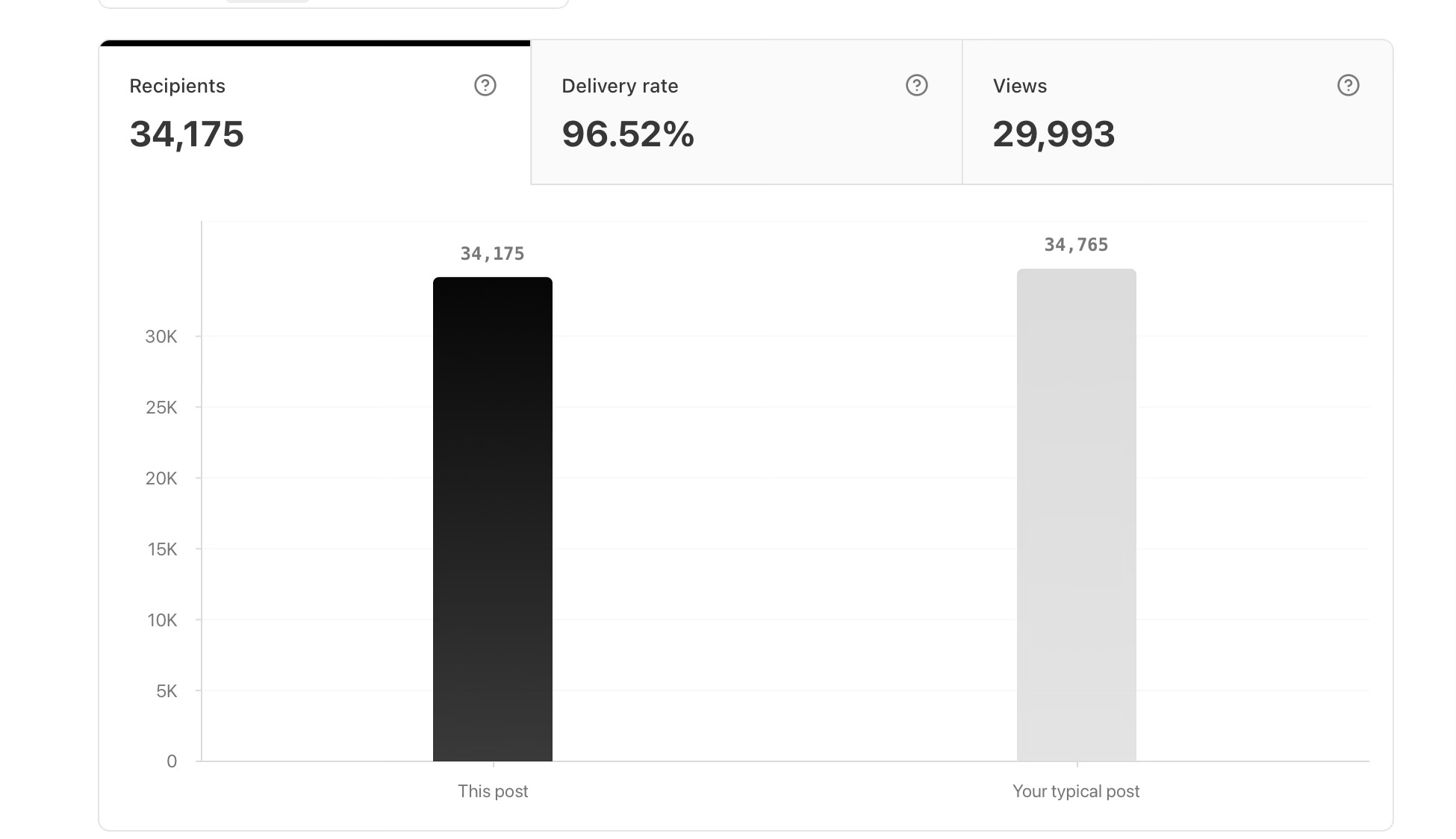
50,000 subscribers > 500,000 followers
Or, why you need to own your audience before someone else does
I know, this is a bold statement, but I believe it to be true. Let me lead with an example: If we asked the founders of Huckberry or Moment to choose between keeping their IG or their email list, which do you think they’d choose?
If you guessed their email list, you are right. If we took away their email list and left them with their IG and Facebook audience, their business wouldn’t survive, hence that bold claim above. Let’s examine why.
The beauty in an email list is that you have built it and you own it. People have at some point agreed to let you email them, and that email is going straight to their inbox. I know email tools like Gmail are filtering a lot of marketing, but there are ways around it. As a business, if you decide to change email platforms, you can simply export your audience file and move it to a new platform. You can even print it and put it in a book if you are so inclined.
However, with a social media audience, things start to get a bit messier. Yes, you have built that audience; people have chosen to follow you, but that audience is not yours. It’s Meta’s, it’s Google’s, it belongs to whoever owns the rails. So, that’s all well and good until the platform decides to change things up, because they now have the desired scale and they can start to monetize. The algorithms, the ads, the updates, all those things start barreling down the mountain, leaving you stuck because you now have to pay to reach that audience you thought you built. For a lot of brands it’s even crazier because they spent money acquiring an audience and they’re stuck constantly having to pay to re-acquire it…
It’s simple business. Meta calls it G.E.M: Growth, Engagement, Monetization. Those are the three stages of any social media platform.
It’s ironic that I’m writing this, because this is what some of the most prominent North American bloggers told me at a travel marketing conference back in 2013. I was all in on building an Instagram audience, and they weren’t into the idea of not owning their audience. They were not going to invest time into it. Well, for better or for worse, all these bloggers had to get on IG eventually, but they had a point. I didn’t want to hear their point back then, I simply labelled them as dinosaurs who didn’t want to live with the times, but there was wisdom in their stance.
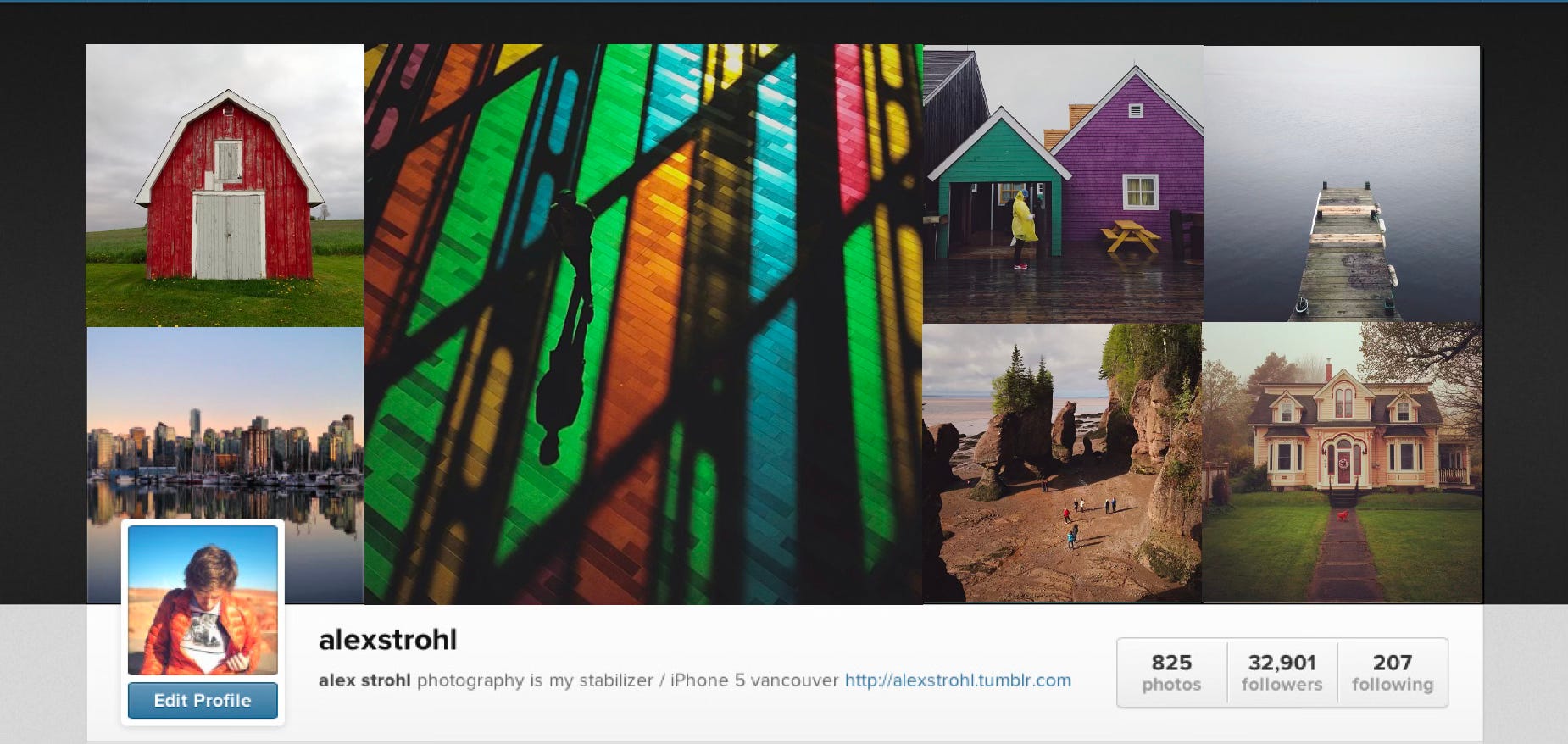
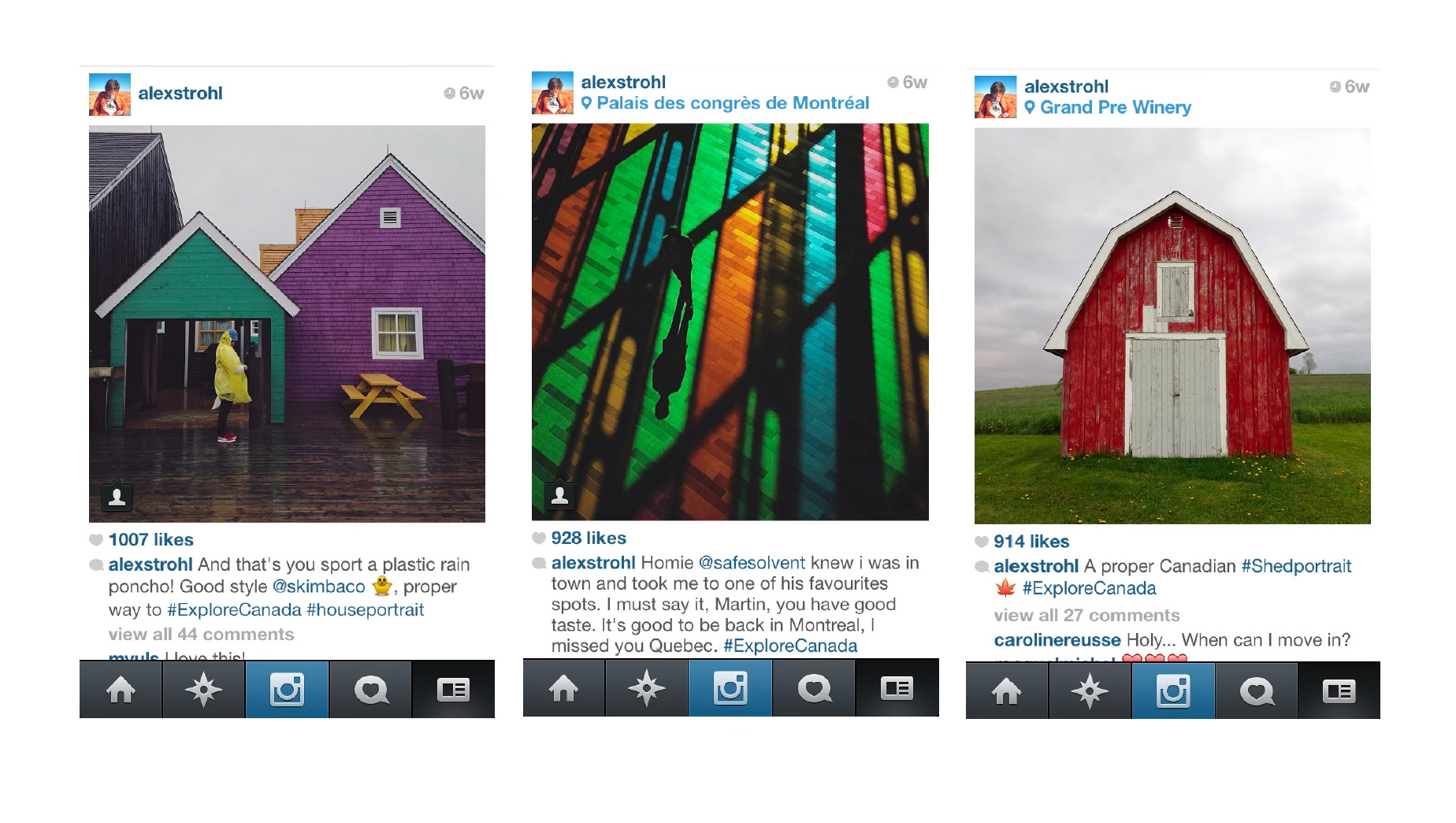
Luckily, their words left an impact on me. After leaving that conference, I immediately started building an email audience. Moved by the now classic 1000 true fans essay, I loved the idea of having direct access to an audience who cares about what I have to say. If you are reading this, you are probably a part of that audience, and I thank you for having stuck with me for so many years.
Of course I value my IG audience immensely, but I value my email list just as much. Sure, it doesn’t have the clout of being “millions of people,” but it can influence quite a lot of people in more profound ways. It’s slow media vs. bite size. It’s David vs. Goliath.
“The best time to plant a tree is twenty years ago. The second best time is now.” — Source Unknown
If as a freelancer you haven’t started building an email list, I need you to do the following:
Come up with a promise of why anyone should give you their email. It could be that you’re going to send them photos you like, a free product, or maybe you’re going to release a book, or an online class. Whatever that is, just promise something worth signing up for, and deliver on it.
Make a simple page on your website called “Sign Up.” (I keep mine at the bottom of every page.)
Add a form to capture people’s names and emails
Promote that freshly made signup page.
Thank me in one year, or twenty.
Outtakes


Work With Us
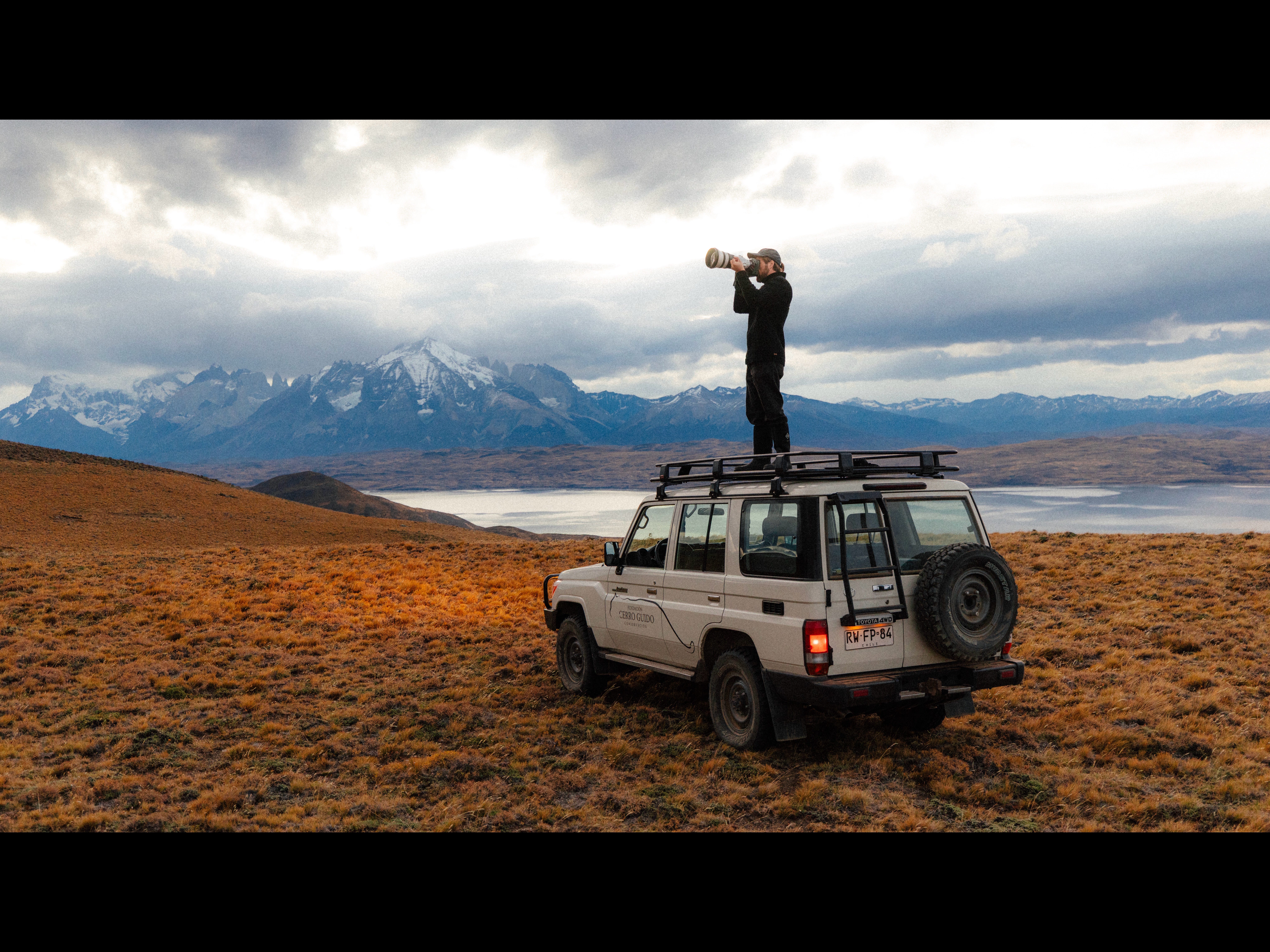
Matthew Woolsey and I run StudioFRR, a boutique creative shop that helps brands grow through better storytelling. We specialize in breaking companies out of the dead-end loop of paid ads and algorithm decay.
Our clients include founder-led companies and marketing teams at larger brands who prioritize genuine connection over empty reach metrics.
Go Deeper
The Lofoten No One Sees Retreat 2025: Experience the lesser known side of the Lofoten Islands with a group of like-minded photographers led by Alex Strohl.
My editing presets : Speed up your editing workflow and achieve unique edits with my Lightroom editing packs. All photos in this issue were edited with them.
Love the newsletter. Great insight into the newsletter vs social. My goal for the past year has been to grow my newsletter. It’s so important to own your audience. Your photos and musings about the Dolomites gets me super excited for next week. It’s going to be legendary!
So true mate! The lost world of keeping relevant blurs the lines . Most probably fear the disconnect. I could benefit from the same I think.
Great letter as always, interesting thoughts on the email list.
I lost a couple of projects recently because my following was to low. Maybe a good thing. Not the brand, but the person at the brand must to stuck in the old ages.